
Choosing the Right Shades for Your Home
When choosing shades for your home, there are so many factors to decide on — light filtering or blackout? Honeycomb or roller? Manual or motorized? It can get overwhelming, so here's our pros and cons guide to our most popular shade styles — so you can pick with confidence.
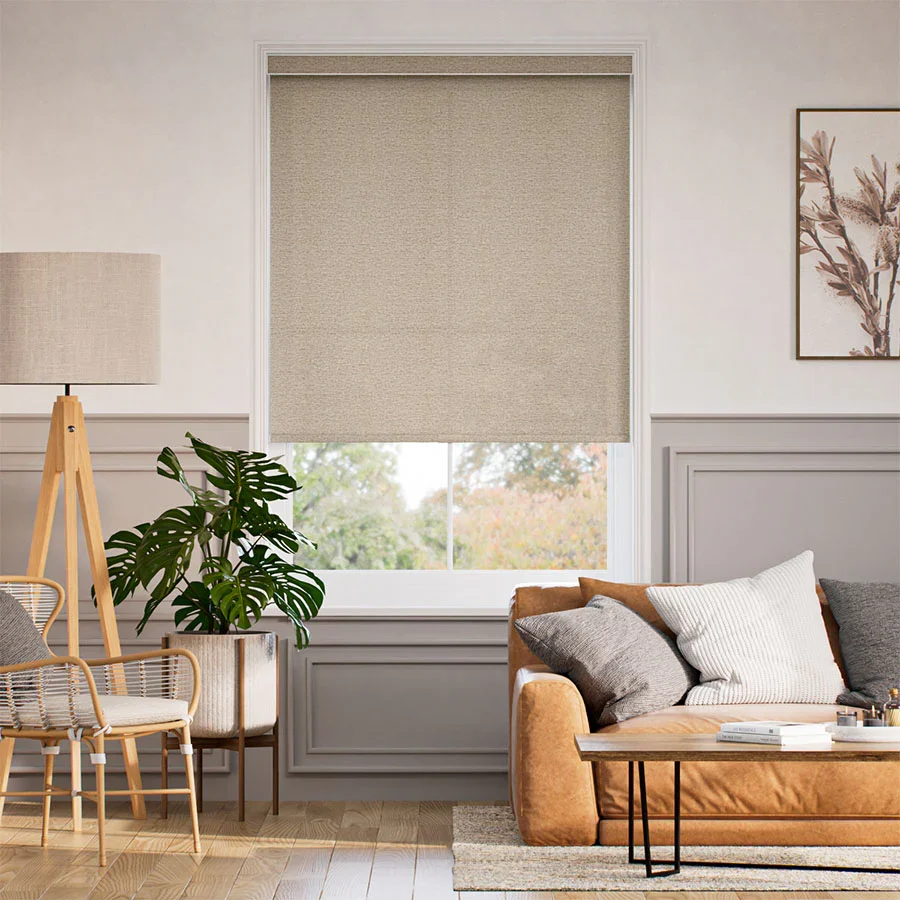
Roller Shades
Let's start with the classic roller shade. On the positive side, roller shades are easy on the eyes, with a clean, minimal look. They're budget friendly, easy to operate (especially motorized), and come in a wide range of fabrics — from sheer and light filtering all the way to blackout, so you can dial in exactly how much light you want. On the flip side, in high-end spaces they can look plain — just a single, flat panel.
Best for: budget-conscious minimalists who want something that just works.
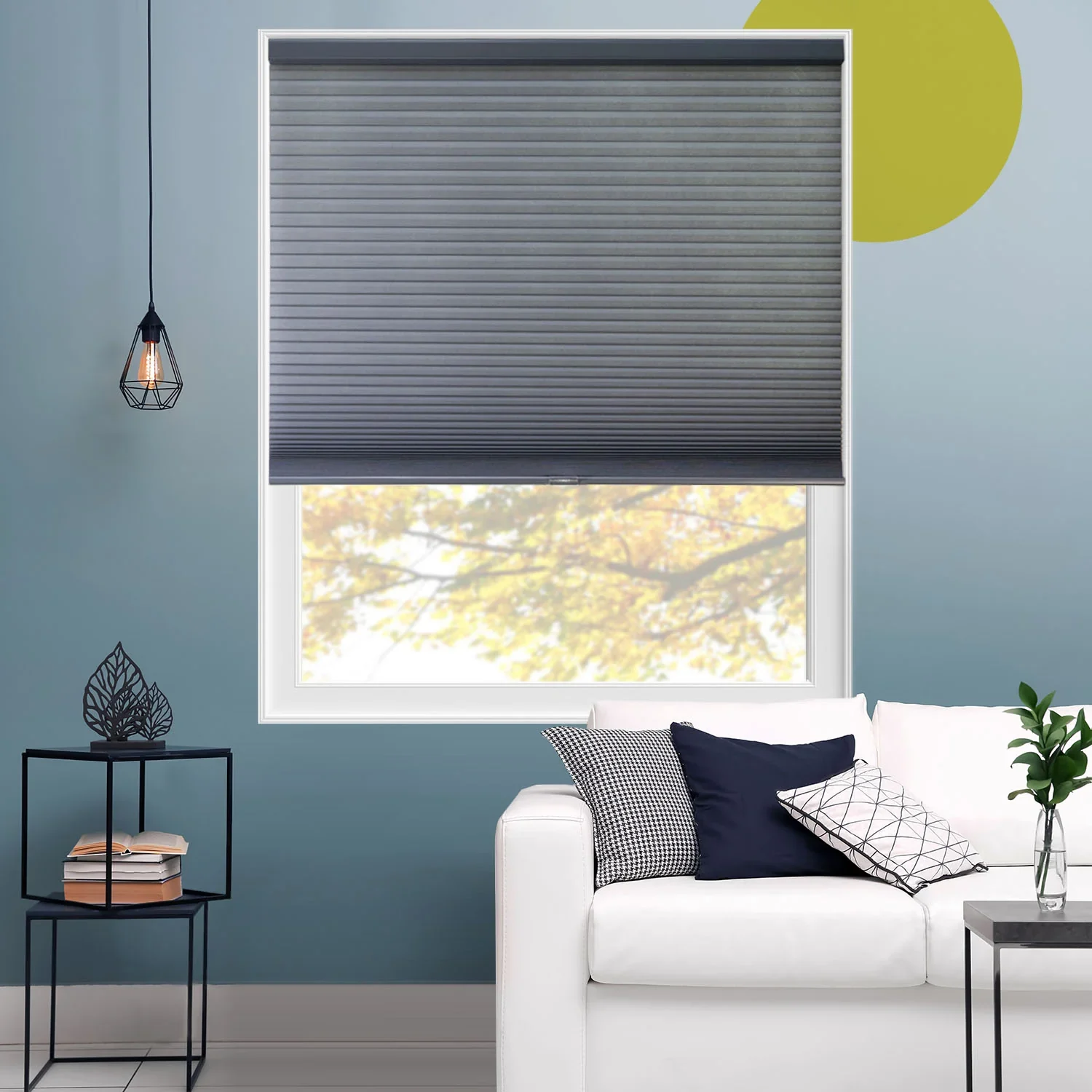
Honeycomb / Cellular Shades
Honeycomb shades are our second best-selling style. They carry a slightly higher price tag, but they're the clear leader in insulation. The hollow cells trap air, creating a thermal barrier that slows heat transfer — keeping warmth in during winter and out in summer. They're the best option for anyone energy-conscious, and often pay for themselves over time through lower energy bills. The tradeoff: the fabric holds onto dust more than other styles, and the cells can get crushed or bent over time.
Best for: anyone who wants their shades to pay for themselves.
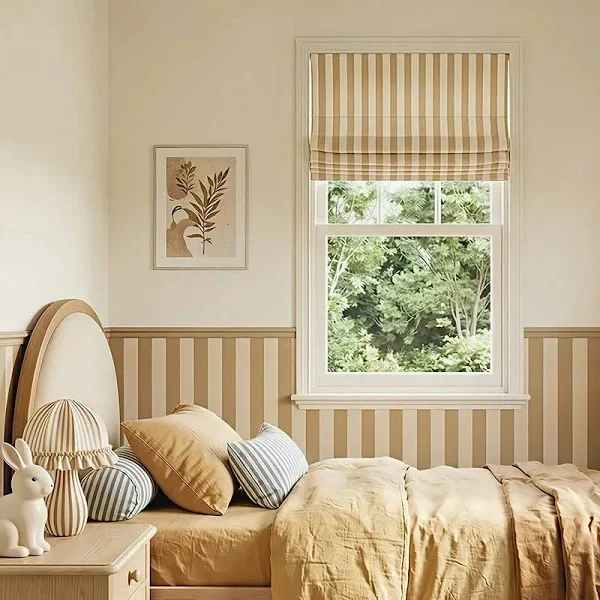
Roman Shades
Roman shades bring a more high-end, tailored look. Use any fabric you like for perfect customization to the room — classic, sophisticated, timeless. The catch: roman shades are often the highest cost per square foot, especially fully custom. Worth it if you want your windows to look tailored, not just covered.
Best for: rooms where the shades should be a design statement, not just function.
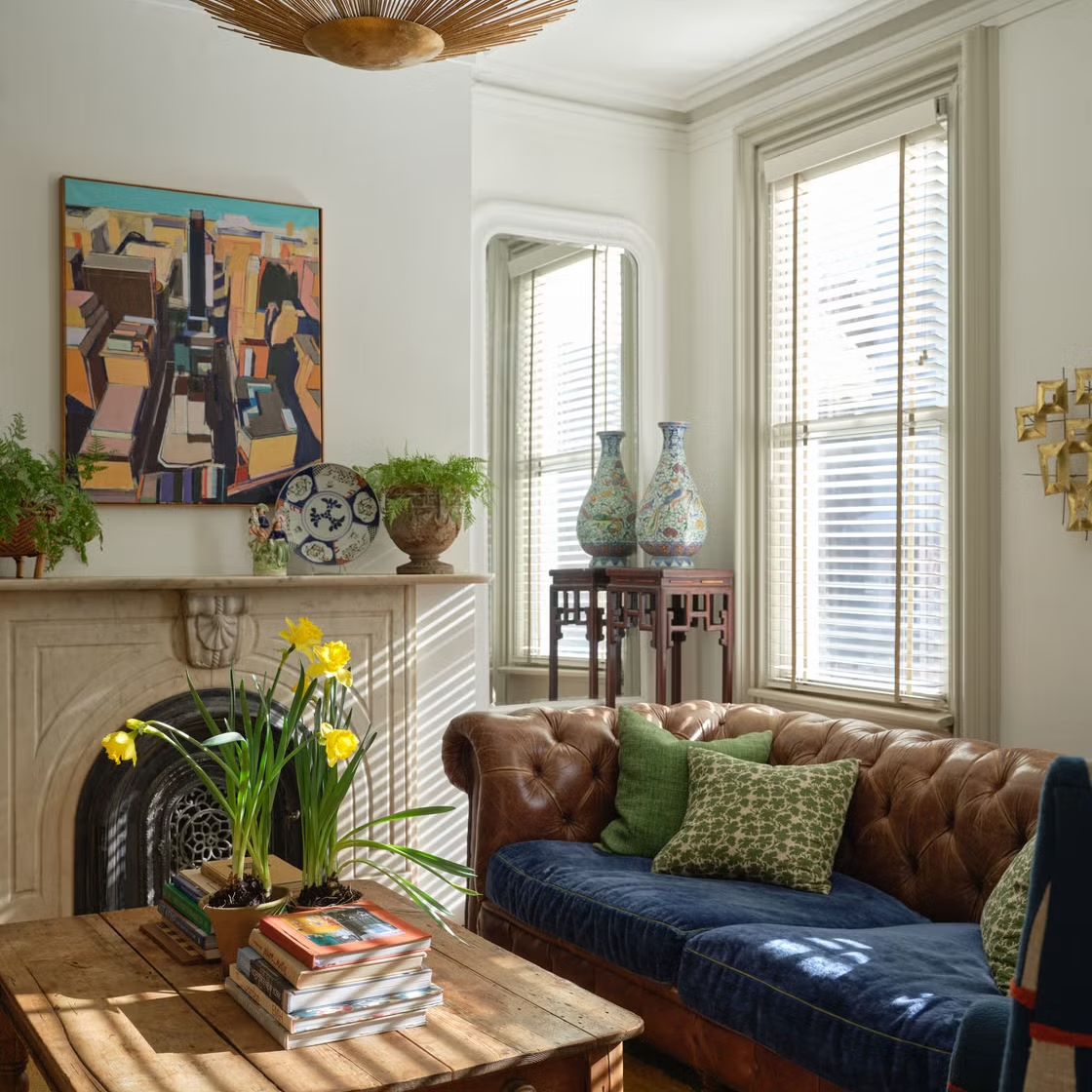
Blinds
Classic blinds never go out of style. They're super versatile — aluminum, wood, or faux wood, in dozens of colors — and offer the most precise tilt control at a budget-friendly price. That said, they're tricky to keep clean: individual slats collect dust, and aluminum can bend with everyday wear and tear.
Best for: high-moisture rooms (bathrooms, kitchens) or anyone who wants precise light control on a budget.
Sheer Shades
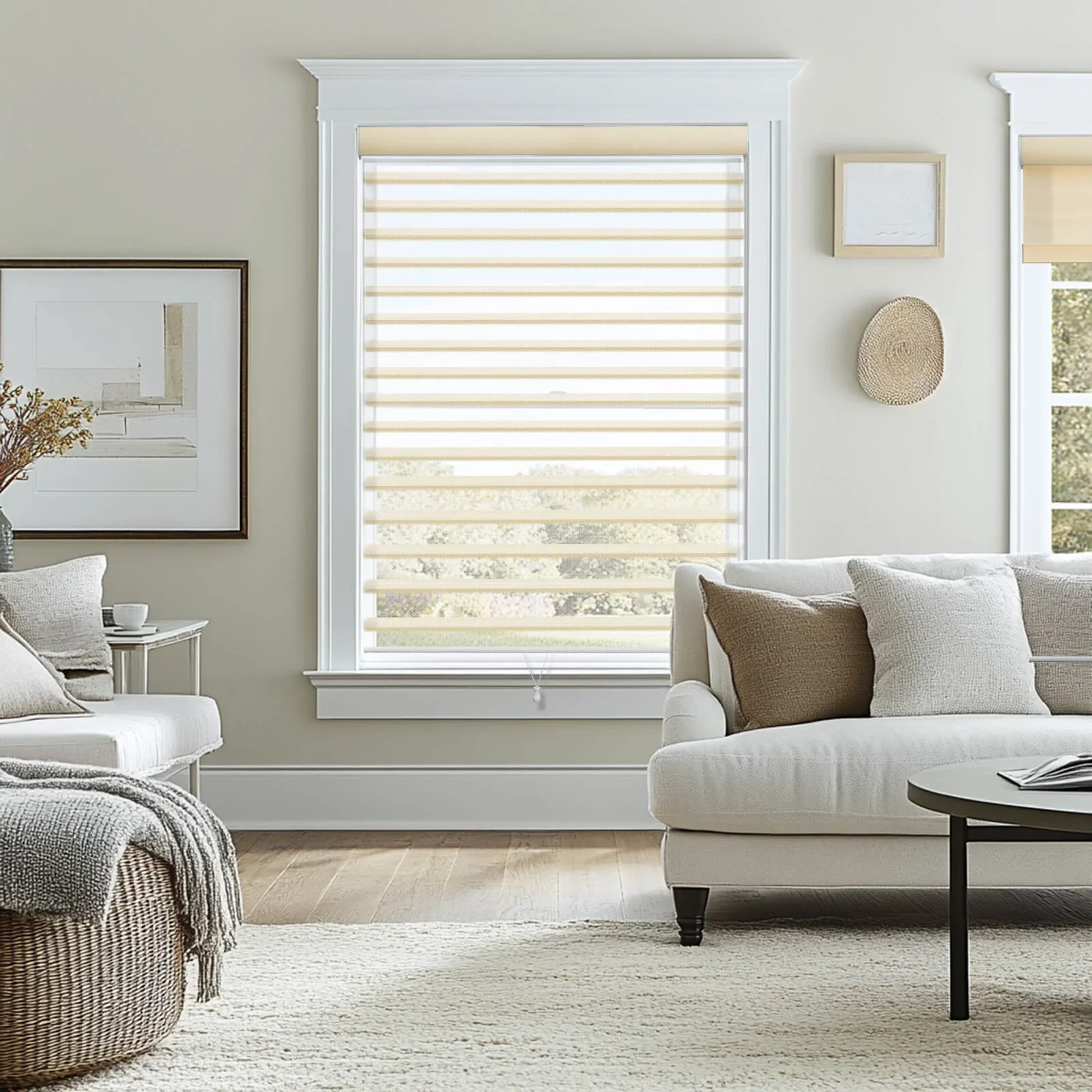
Sheer shades combine blinds and drapery into one modern style — adjustable fabric vanes tucked inside a two-layer soft fabric shade, for excellent light diffusion and versatility. You get the soft, elegant look of a fabric shade with the tilt control you'd usually only get from blinds. It's a look with no real twin in our lineup. The catch: all those moving parts come at a cost — vanes can sag or stretch over the years, and with a more complex mechanism, there's simply more that can go wrong down the line.
Best for: modern spaces that want fabric softness without giving up light control.
Natural Woven Shades
The Bottom Line
These are our most popular styles, but they're far from the only ones we carry — if none of these feel quite right, come talk to us. And no matter which style catches your eye, all of them can be made manual or motorized, with control systems and styles that vary to fit your space and how you like to live in it.